

A seat at the table
Collective bargaining reflects evolving priorities
Collective bargaining has come a long way in the decades since public employees gained this essential right in New York state.
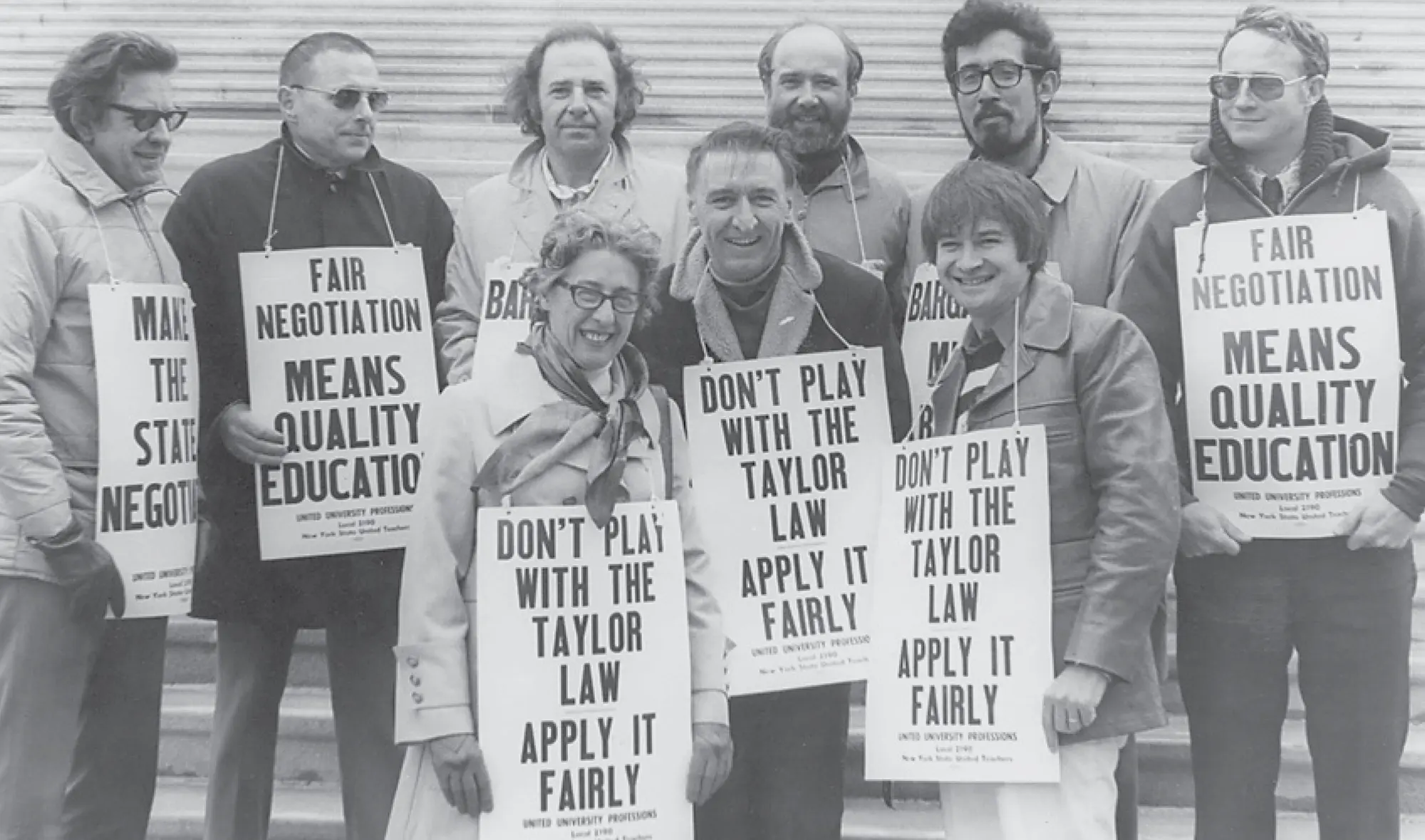
Benefits also evolved. For example, United University Professions, representing faculty and professional staff at SUNY, negotiated some firsts for public employees, including flexible spending accounts and exchange of sick days. In the 2000s, family leave provisions were often on the table.
Over the last quarter century, local unions increasingly negotiated professional concerns such as shared decision-making, planning periods and curtailing assignments like lunch duty. When the “test-and-punish” era erupted, collective bargaining proved essential in defending teachers’ livelihoods and students’ well-being from the most egregious consequences of a disastrous state-imposed evaluation process that tied student standardized test scores to teacher ratings.
On behalf of students, locals have negotiated issues of class size and safety and essentials such as counseling, physical education, art, music and library. Student-centered programs proliferated in contracts, such as Sewanhaka FT’s bargaining to achieve an “extra help” period for students and a Saturday program for English language learners negotiated by the Copiague TA. Union leaders at community colleges used negotiations to explore strategies for improving student retention.
The bad old days
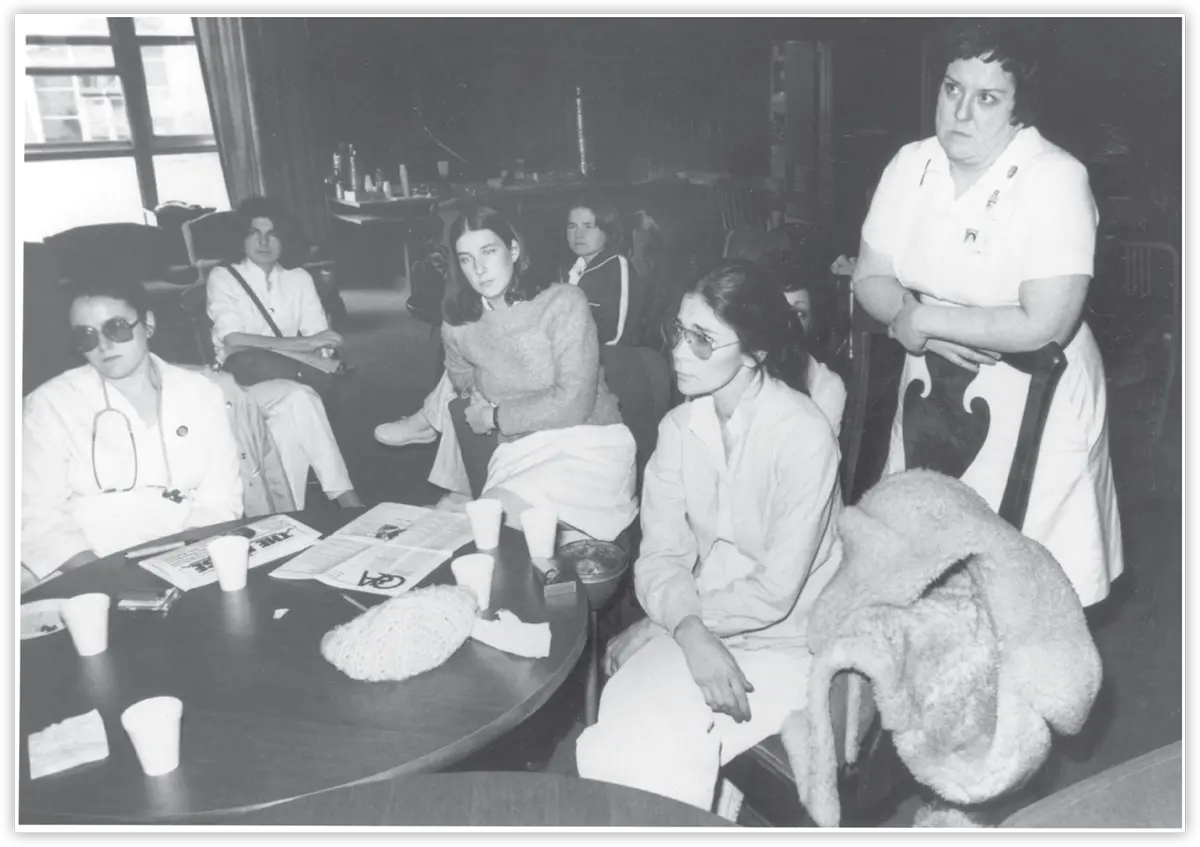
Back then, before they could legally bargain — rather than beg — on behalf of members, the local association first had to negotiate that specific right with employers who lacked any incentive to level the playing field. Through the mid-sixties, contracts upstate were achieved piecemeal and with difficulty.
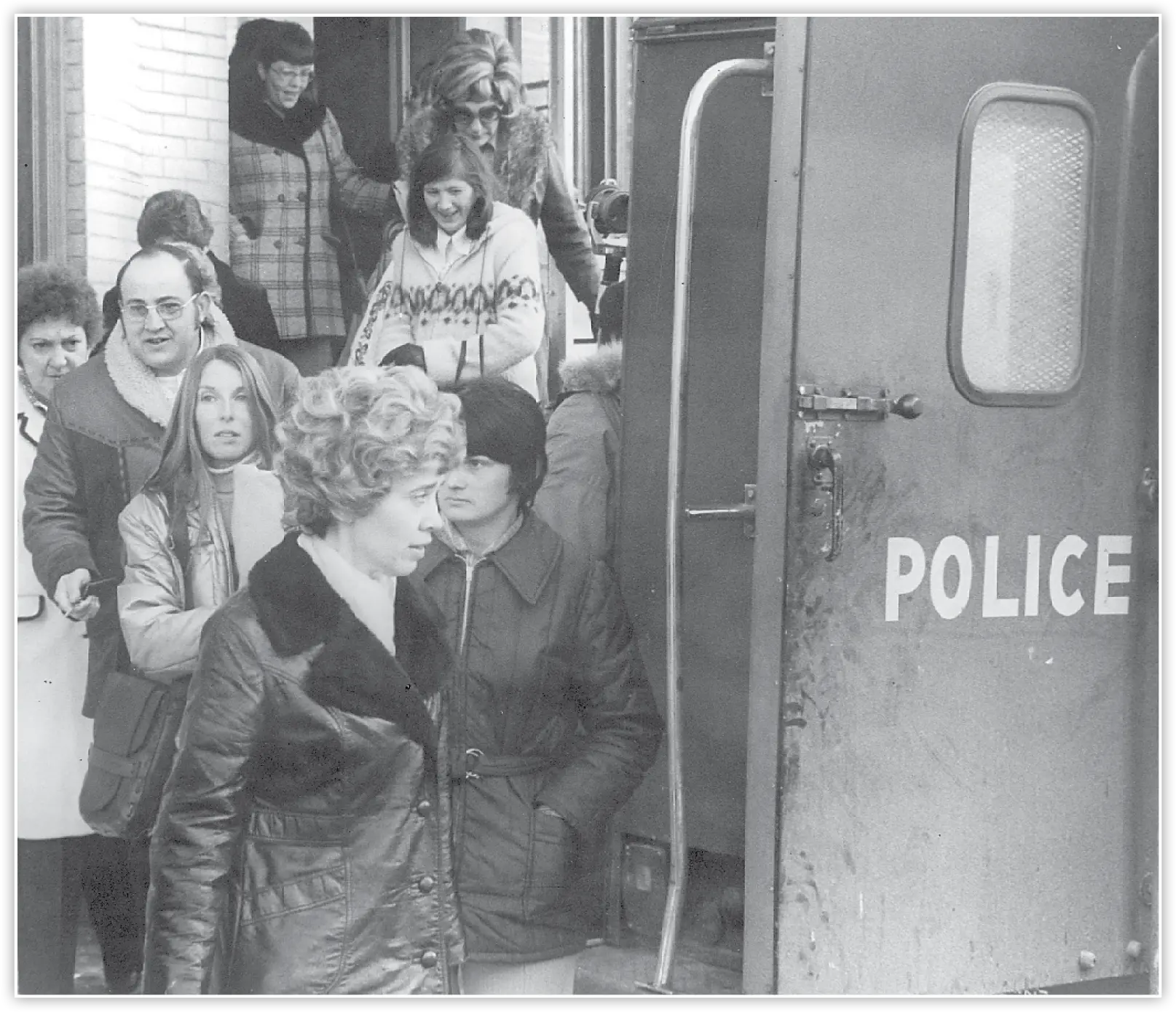
Downstate was another story. Willing to strike despite heavy penalties and with the benefit of numbers, the UFT in 1961 won for New York City teachers the right to bargain collectively; the resulting contracts would inspire teachers statewide.
New York City in the sixties was such a hotbed of union action that it led to a major win for labor statewide. Provoked to the breaking point by a crippling transit workers’ strike, state leaders enacted the 1966 Public Employees Fair Employment Act, commonly known as the Taylor Law, “to minimize disruption of public services from strikes while safeguarding the rights of public employees.”
Leveling the playing field
NYSUT came of age in an era shaped by the Taylor Law. The union built a statewide network of expert labor relations representatives, backed by a renowned legal department, to help organize locals and support them in bargaining. In the decades to follow, NYSUT steadily expanded its strategic support, providing forensic budget analysis, community polling, and help with communications and media campaigns. No longer were employers the only party in negotiations with facts and figures at their fingertips.
With the power of collective bargaining, NYSUT has helped local unions negotiate thousands of contracts over the last half century — delivering well-deserved improvements in pay and benefits for members and, at the same time, strengthening public education and health care.
Rights under siege
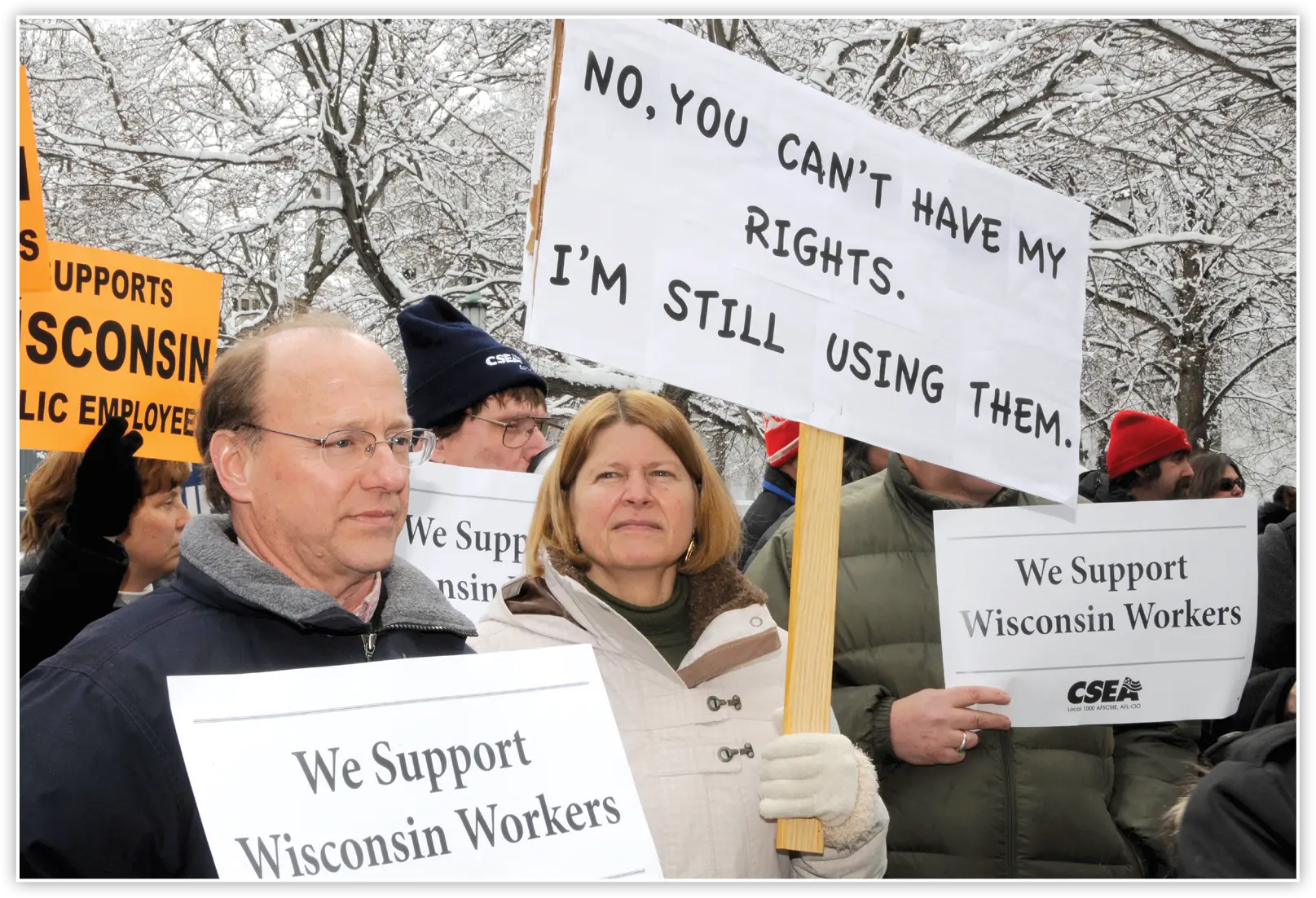
Through eternal vigilance, we must keep it that way.
Timeline
-
1973The union’s first Representative Assembly is held in Montreal due to a strike at the Concord Hotel. Delegates adopt New York State United Teachers as official name. Tom Hobart is elected president.
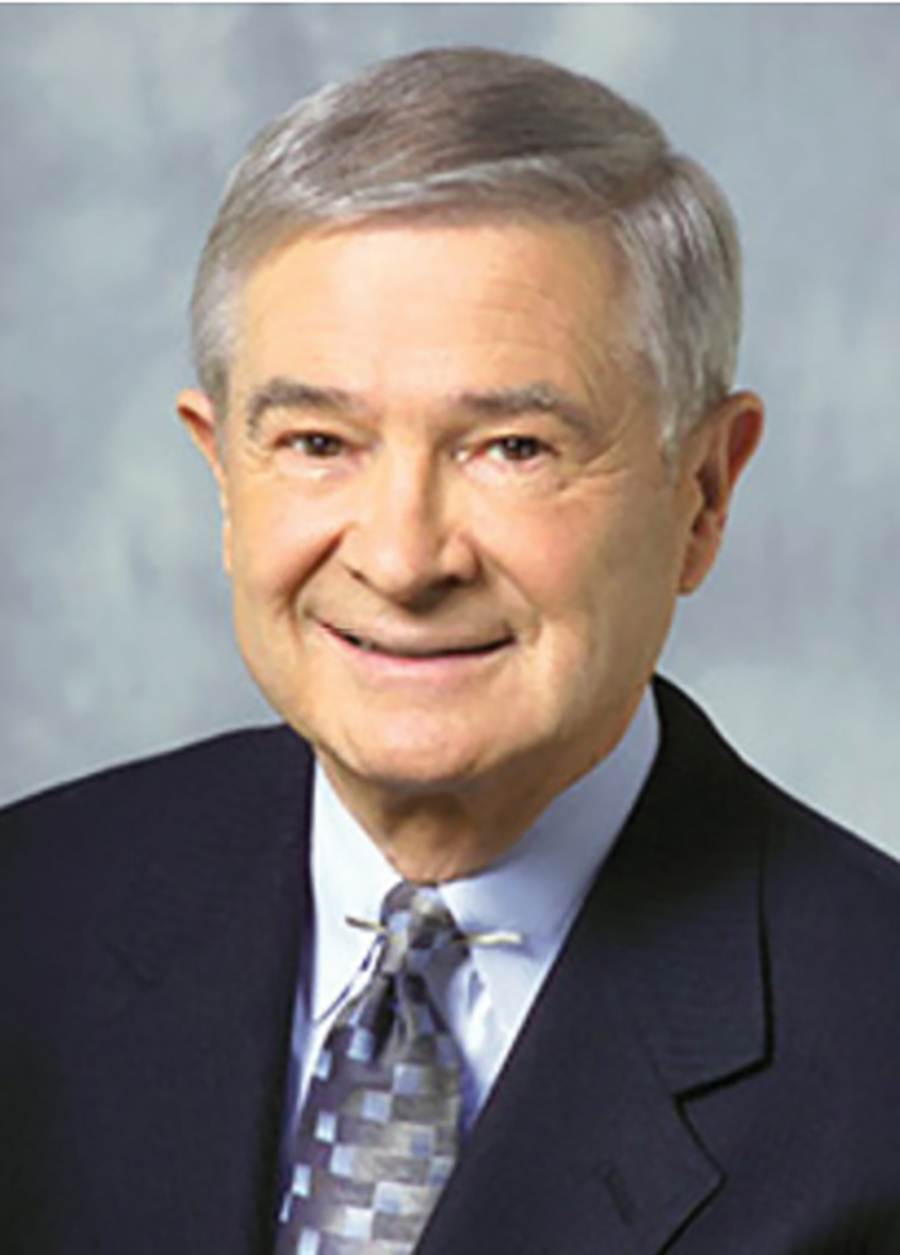 Tom Hobart
 -
1973Committee of l00, NYSUT grassroots lobby group, is created in response to threats to pensions.
-
1973Professional Staff Congress ratifies its first CUNY contract.

-
1973CUNY chancellor pushes for a 50 percent ratio of tenured to non-tenured faculty. Blistering union campaign results in end to tenure quotas.
-
1973
Al Shanker is first teacher elected vice president of the AFL-CIO.
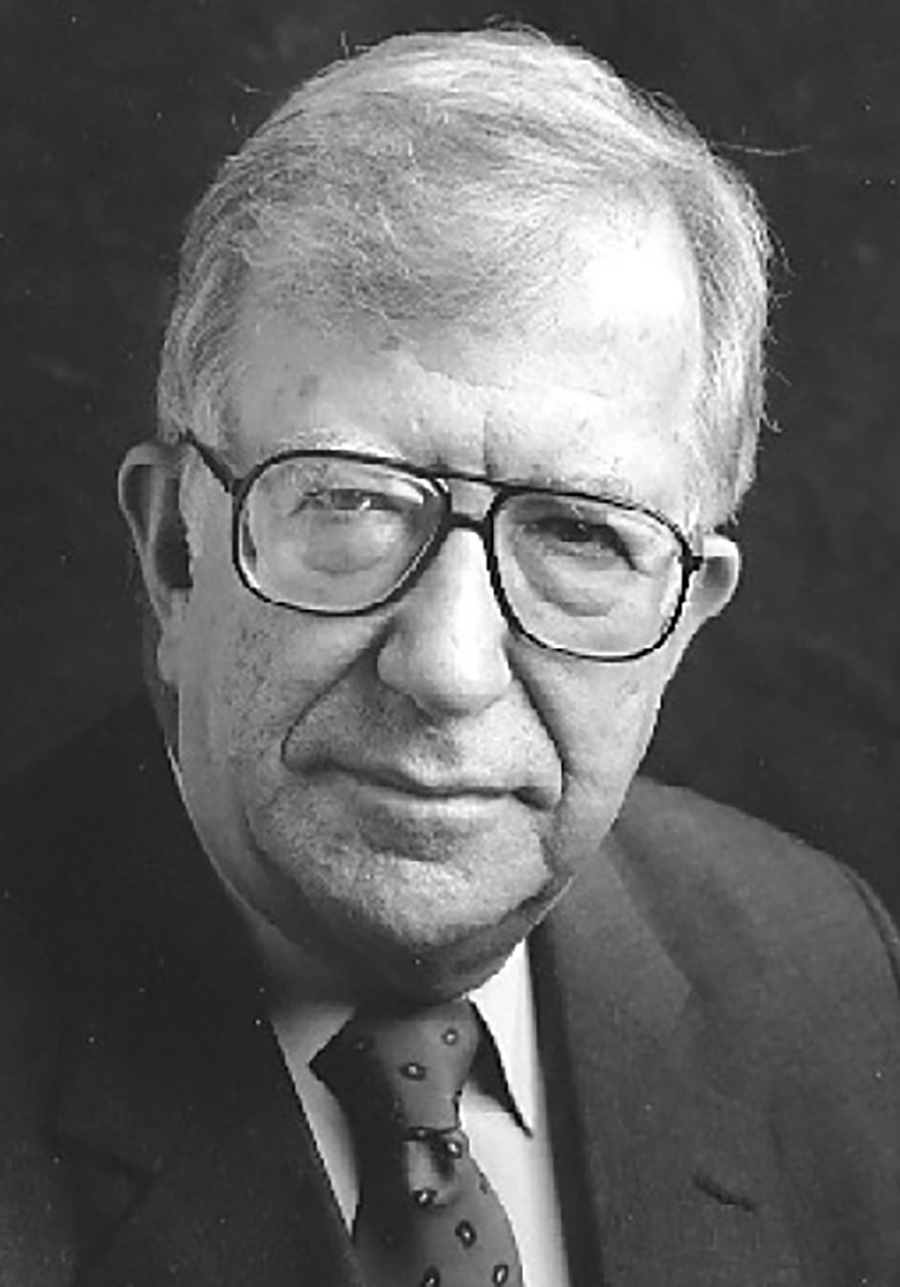 Al Shanker
 -
1974At the union’s Representative Assembly, Gov. Malcolm Wilson promises to reduce probation periods and eliminate legislative hearings to resolve contract disputes. He delivers, along with an unprecedented 15 percent state aid increase.
-
1974
NYSUT makes its first gubernatorial endorsement, backing Hugh Carey.
 Hugh Carey