


School social workers: Advocates and allies for student success
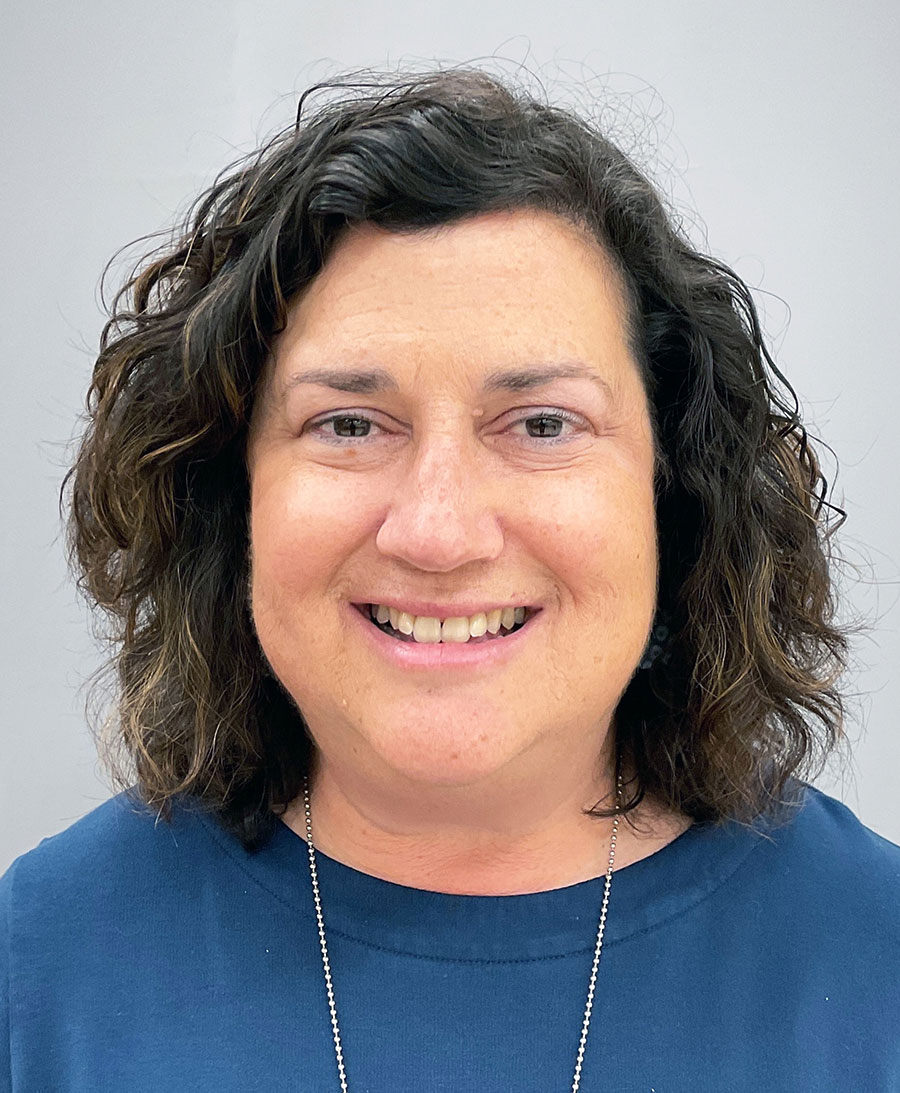
endy Castiglia considers herself “one of the lucky people” who knew from a young age what she wanted to do with her life. She felt called to help others, especially children. During a college externship where she shadowed working professionals, she learned that her calling had a name: school social work.
“I’ve always believed very firmly in giving children as much support toward a successful life as possible. That’s what drew me to social work,” said Castiglia. “If we can’t help them from the time that they’re children, what will happen to them as adults?”
After earning a master’s degree in social work, Castiglia, a Hamburg Teachers Association member and Buffalo-area native who calls herself a “Western New York lifer,” began working at a local school and has never looked back. After 23 years at an area middle school, she began working with elementary students and has been at Armor Elementary School in Hamburg for nearly a decade.
Castiglia is dedicated to being a caring, kind presence in her students’ lives.
“I meet people where they are, show respect for what they’re going through, and I’m an ally to them and an advocate for them,” she notes.
Castiglia often works with students one on one, and leads group sessions in classrooms, where she uses different techniques and exercises to help students learn about feelings and teach them coping strategies. She also conducts trainings on youth mental health topics for school employees, or she may be called upon to deal with emergent issues related to student health and safety.
“I always joke that my students learn flexibility and patience with me, because they all know that at any moment, I could be called into a situation that needs attention immediately,” said Castiglia.
Outside her school responsibilities, Castiglia is president of the state School Social Workers Association. She has long been an advocate for her profession and works to ensure that more people, from parents to community members to state political leaders understand what school social workers do and why they are essential to a well-functioning school.
School social workers, as members of the Collective Care Team, work with school nurses, school counselors, and school psychologists to foster academic and personal growth for students. School social workers are trained and licensed mental health practitioners who help students navigate issues large and small that they face at home and at school. Beyond directly supporting students’ emotional health and educational success, school social workers connect families to community resources and they collaborate with teachers and other colleagues to create a safe and welcoming school community.
Castiglia emphasizes that her job is all about teamwork. Schools are filled with inherently caring professionals in a variety of roles, she said. It’s only through partnership with administrators, teachers, and others in the school building — each using their own specialized training and expertise — that the school succeeds.
As Castiglia reflects on her decades of work as a school social worker, she acknowledges that the work comes with challenges and heartbreak, but also great successes. She says there are times when she doubts her ability to make change in her students’ lives, when many of them face difficulties at home or are dealing with disabilities or other issues that she can’t solve.
In moments like those, she reminds herself of the research that shows that a strong predictor of a child’s resilience is having a positive relationship with an adult.
“It doesn’t have to be anybody fancy. Ideally, it’s the child’s parents, but for many kids it isn’t. It’s the bus driver who says hello to them every morning; it’s the lunch lady who opens their milk every day and says hi to them; it’s their teacher,” Castiglia said.
“I remind myself maybe that can be me, for somebody. If I can provide a welcoming place where they can feel safe and accepted and know that they can always come, then maybe I will be that person for them.”
Castiglia continued, “I think that’s really important for everyone working in education to know. You may still be impacting their lives in ways that someday you’ll get to know, or maybe you’ll never get to know. But that’s an invaluable impact.”