

[ voices ]
5 Questions for Josephine O’Connor


Josephine O’Connor
I love to read, it’s basically my favorite thing to do. Reading is such a fundamental right, and it’s so closely linked with the first amendment and our right to free speech and free assembly. A lot of red flags should be popping up when someone tries to tell you what to read and what to think. Reading is really about the freedom of thought. It’s essential that educators have the right to choose appropriate reading materials and resources for their classrooms.
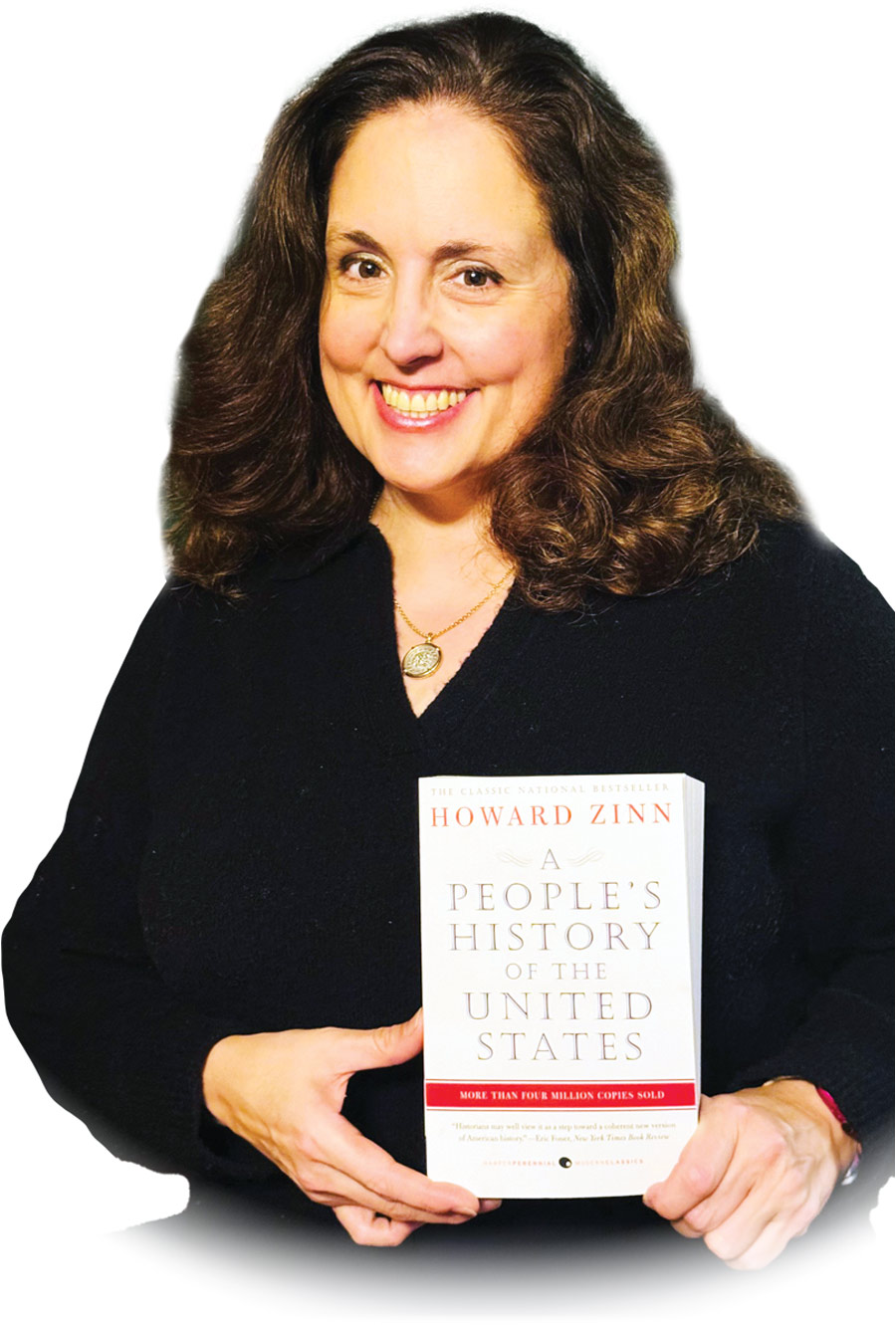
I love learning about history, and I read history books constantly. Zinn’s book is one of the most important works of history from the last 50 years. What I love about books is that they don’t tell you what to think. They give you a different perspective and change the way you see the world. That’s a good thing, and that’s exactly what A People’s History does — it provides new perspectives about American history. The fact that it’s been banned in other parts of the country shocked me, especially as we are coming up on the 250th anniversary of this country’s founding.
Learning a language is really connected to learning about history, culture and current events. Along with linguistics, I teach about the history of the spread of French language around the world. In class, we talk about colonization and the French diaspora. I don’t discuss politics in my classroom. What I do is teach my students to be critical thinkers.
I grew up in the Capital Region and started taking French in school at age 8. I liked it so much from day one! I had really great teachers, some of whom were native speakers, and they made the language come alive for me. I continued studying French through middle and high school, and then chose it as my major in college, along with history, and I was lucky enough to I study abroad in France.
I come from a family of teachers and, for a long time, I was a little resistant to the idea of becoming a teacher myself. But my mom was a natural teacher, and seeing the way she helped people learn really inspired me. I also thought about the great teachers who sparked my interest in learning French, and I realized I wanted to play that role for others. So even though I had a few different jobs after college, I eventually felt called back to teaching. I’ve been teaching for more than 20 years now, and I just love it.