

[ teaching & learning ]
Community schools like PS 399 embrace children’s ‘whole selves’
he most recent data reports that there are over 154,000 unhoused students in NYC. For many of our school communities, this means educating a transient population; students may arrive at school unfed, underslept, inadequately dressed, and dealing with the trauma that goes with not having permanent housing.
One in five children live in poverty in New York. That stat is front of mind for teachers at PS 399 Stanley Eugene Clark in Brooklyn. Fortunately, PS 399 is part of UFT’s United Community Schools, a network of 39 schools that work to ensure students’ basic needs are met so they are able to learn.
“I recognize that schools must be more expansive — they are more than just academic institutions,” said Karen Alford, UFT vice president for elementary schools and executive director of United Community Schools. “A true community school embraces and honors the belief that children bring their whole selves into the classroom.”
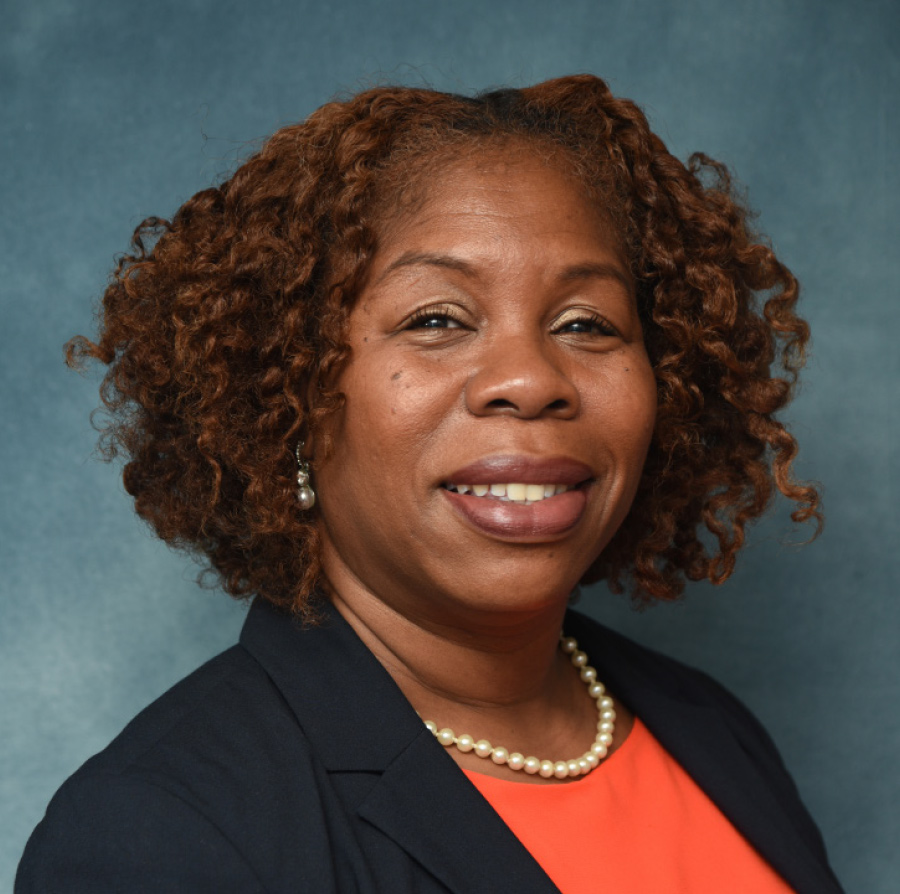
Each of UFT’s community schools is led by a community school director — a position funded by UFT — who is responsible for forging connections with local groups and organizations to ensure that students at the school receive appropriate services tailored to their specific needs.
“A student’s ZIP code is not a label, nor does it define their potential or success,” said Alford. “We hold high expectations for students, while recognizing that the supports may differ and should be tailored to each school. The community school framework provides that flexibility, with resources adjusted to meet the distinct needs of every school. We honor each community’s uniqueness. It’s important to engage the entire school community — not only administrators, but a broader subset of stakeholders — to work collaboratively to address barriers to learning.”
At PS 399, those supports include free dental and vision care to address healthcare gaps; free snacks, a backpack program, and a food pantry to address food insecurity; free after-school programming and tutoring; school uniforms and laundry cards; and professional development and support for educators to help them keep abreast of best practices and avoid burnout.
PS 399 is also participating in NYU’s Path Program that provides social work and occupational therapy services using a culturally responsive, trauma-informed model, which is important when you’re working with children facing tremendous stress.

“I would say about 30 percent of my students live in short-term housing, so they live in shelters,” said Katrine Dorozhinska, a third-grade teacher at PS 399 and UFT member. “I also have a lot of children doubled up in homes, living with family and extended family. People don’t realize the reality of it,” Dorozhinska said. “It’s hard to sleep with that many people. It’s hard to do homework.”
Every day, PS 399 offers free after-school care until 5:45p.m., a huge boon for working parents. During this visit, three elementary schoolers in the program are trying their hand at steel pan drums, tapping out the first notes of “Lean on Me.” Next door in the cafeteria, the elementary schoolers who finished up their dance routines are getting snacks and homework help. Educators say that these activities play a crucial role in students’ overall development.
“I’ve seen kids who don’t speak English, but they try robotics and because … they can use their hands and they can figure things out, they find pride in themselves, and that makes it easier for them to get through the hard things, like learning English,” said Saviana Jocelyn, community school director at PS 399.
Jocelyn collaborates closely with the school administration, teachers, staff, and families to bring offerings to PS 399, whether it’s new shoes for a student or a rug and picture books in a student’s native language in the cozy corner of a classroom. As a community school director, Jocelyn writes grants, partners with local nonprofits, businesses and hospitals, and even recruits volunteers — all with the goal of collaborating to stop the cycle of poverty.
“Oftentimes, the assumption is that people want to stay in poverty. I can tell you our parents don’t want to stay there. Our kids don’t want to stay there,” said Jocelyn. “But it’s hard to escape it, especially without support. Our community schools provide that support.”