

School psychologists support students, educators
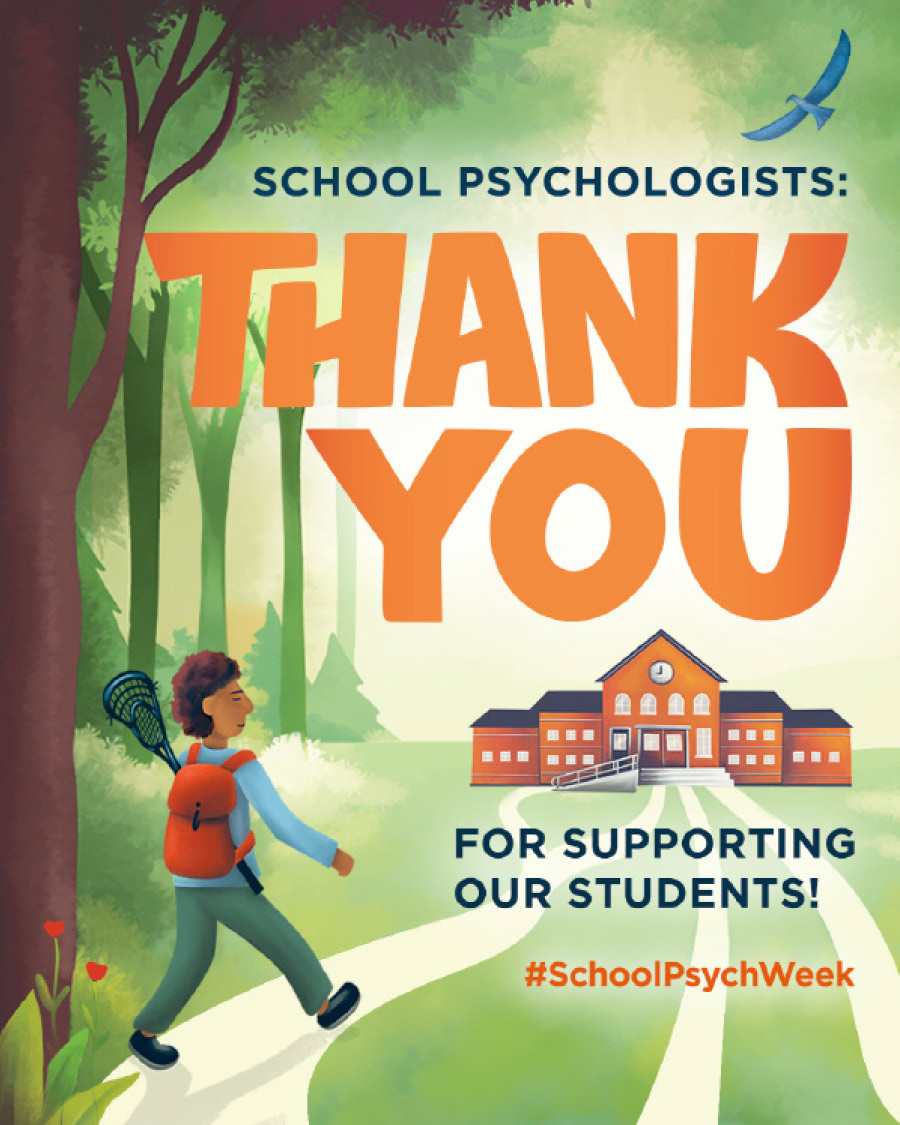
eyond falling leaves and blustery days, autumn brings National School Psychology Week, an opportunity to celebrate the essential role school psychologists play in the lives of students, families and communities.
This annual celebration, sponsored by the National Association of School Psychologists, will be held Nov. 3–7. This year’s theme, “Finding Your Path,” focuses on the many ways that school psychologists serve their school communities and achieve their goals.
With training and expertise in psychology and education, and a broad scope of practice within the school setting, school psychologists are well positioned to support both students and educators. This year, with that dual mission in mind, the New York Association of School Psychologists published new guidance for its members on evaluating students for dyslexia and on effective reading instruction and interventions. Dyslexia is a learning disability that causes difficulty with reading, especially in word recognition, decoding and spelling.
Kelly Caci, a school psychologist and member of the Newburgh Teachers Association, helped write Evaluating for Dyslexia in the Schools, the new guide published by NYASP. Caci, a member of the NYASP executive committee, stressed that school psychologists are in the best position to evaluate students for dyslexia. They are known and trusted by teachers and students, and they have the full picture of what students are facing at school, as well as awareness of any medical issues that might be affecting students’ learning.
As members of collective care teams — along with school counselors, nurses and social workers — school psychologists are working every day to meet students’ needs, helping them through issues in the present, and preparing them for a bright future.
Said Caci, “We’re advocating for student success in school, and that leads to success in life.”
The NYASP guide is intended to provide support for school psychologists in their evaluation of students and to address common misconceptions about dyslexia. The guide also emphasizes the importance of the Science of Reading, effective, evidence-based reading instruction based on decades of research.
“It’s a systemic approach for advocating for what’s best for kids,” said Caci. To view the guide, visit: nysut.cc/Dyslexia.