

Real people. Real stories.
very NYSUT member has a turning point in their union story, the moment when it became clear to them just how powerful it is to belong. They share lessons about solidarity, speaking out and showing up for one another. They recognize that their working conditions and benefits are something people had to fight for, not something that was simply given. They honor the struggles of the unionists who came before them, even as they fight to preserve the rights of the next generation of educators.

“Being in my union as a teacher is everything”
Coolican worked in several other districts before she joined the Frontier Central Teachers Association in 2021 and put down roots. “My union at Frontier has a very large mentor program that stood out from the other districts I worked at,” said Coolican, a middle school ELA teacher.
Many districts have programs in place for first-years, but the Frontier Central TA program provides sustained support for teachers until they get tenure.
Coolican met with her mentor, union president Amber Chandler, every week. She also attended the events the union hosted for new and untenured teachers, or NUTs, as they’re colloquially known.
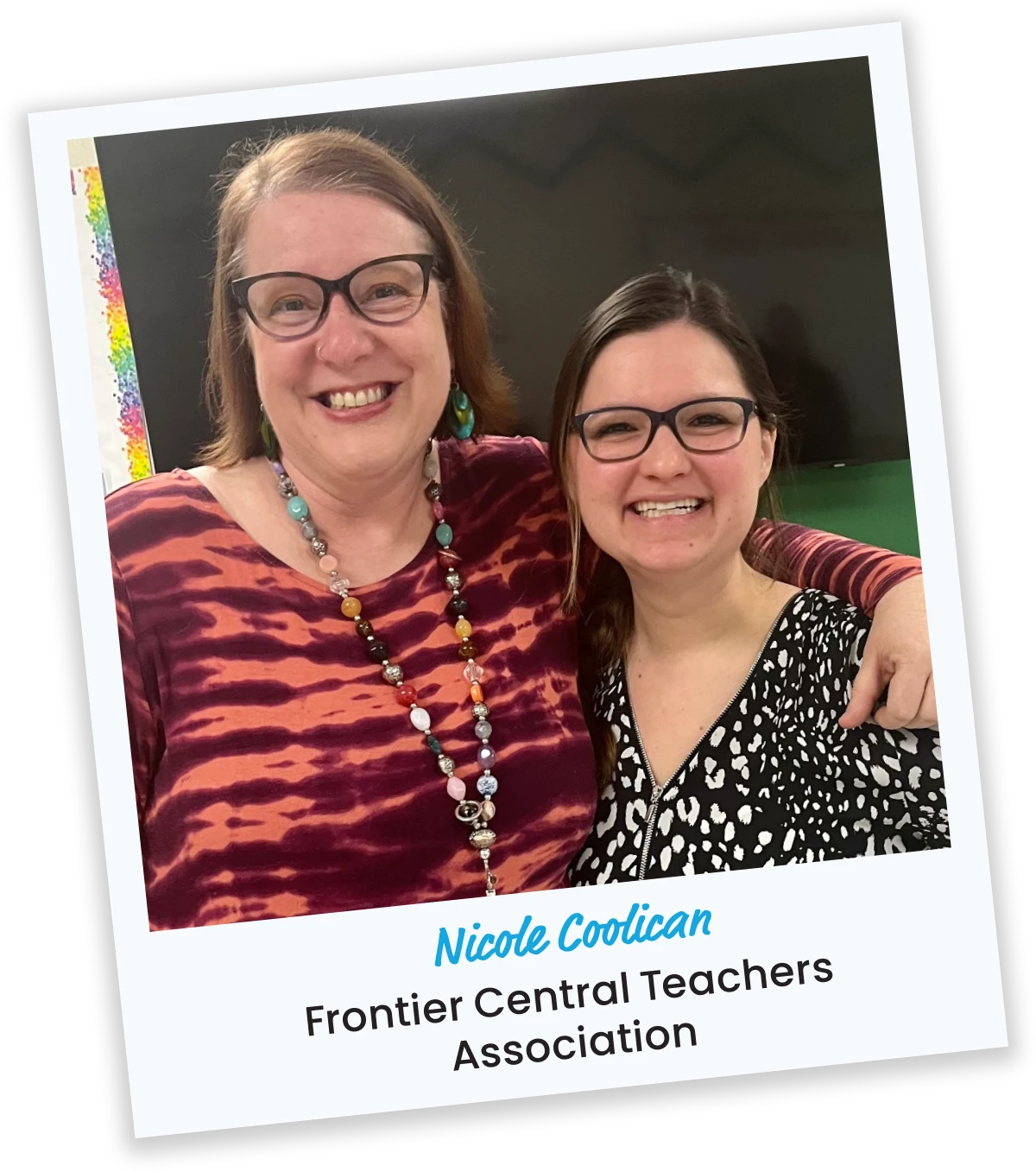
“It was great to be able to meet untenured teachers in other buildings and hear their experiences and learn from veteran teachers, too,” Coolican said.
New teachers have so many questions, ranging from the mundane (“Where’s the copier?”) to the complex (“Do I need to report this to CPS?”), but thanks to her union’s mentorship program, Coolican said she always felt supported.
“When you’re untenured, you’re encouraged in a lot of ways to keep your head down and be quiet until you get tenure,” she said. The NUTs program helped her feel comfortable asking questions and raising concerns, she said. The union even helps newcomers navigate the district’s tenure process.
“Being in my union as a teacher is everything. Does that sound a bit overdramatic? Yes. Would I feel protected in my job without it?
No,” said Coolican. “The sense of security and knowing that others have my back is a genuine selling point to my job.”
Coolican has tenure now and is no longer part of NUTs, but she remains active in her union.
“To me, solidarity means sticking together and having each other’s backs, especially when things get difficult. It means using our collective voice to make sure everyone is heard and treated fairly.”
“When we stand together, we are stronger than we are as individuals.”
“Showing up matters”
Jencik, a special education teacher at Sleepy Hollow High School, knew Tier 6 had a lot of problems — from unreasonably high contribution rates to a staggeringly long wait for eligibility.
What she didn’t realize was that she was going to be part of the movement to change it. In fact, it wasn’t until she saw retirees and Tier 4 members speaking out about Tier 6 that she even felt inspired to try.
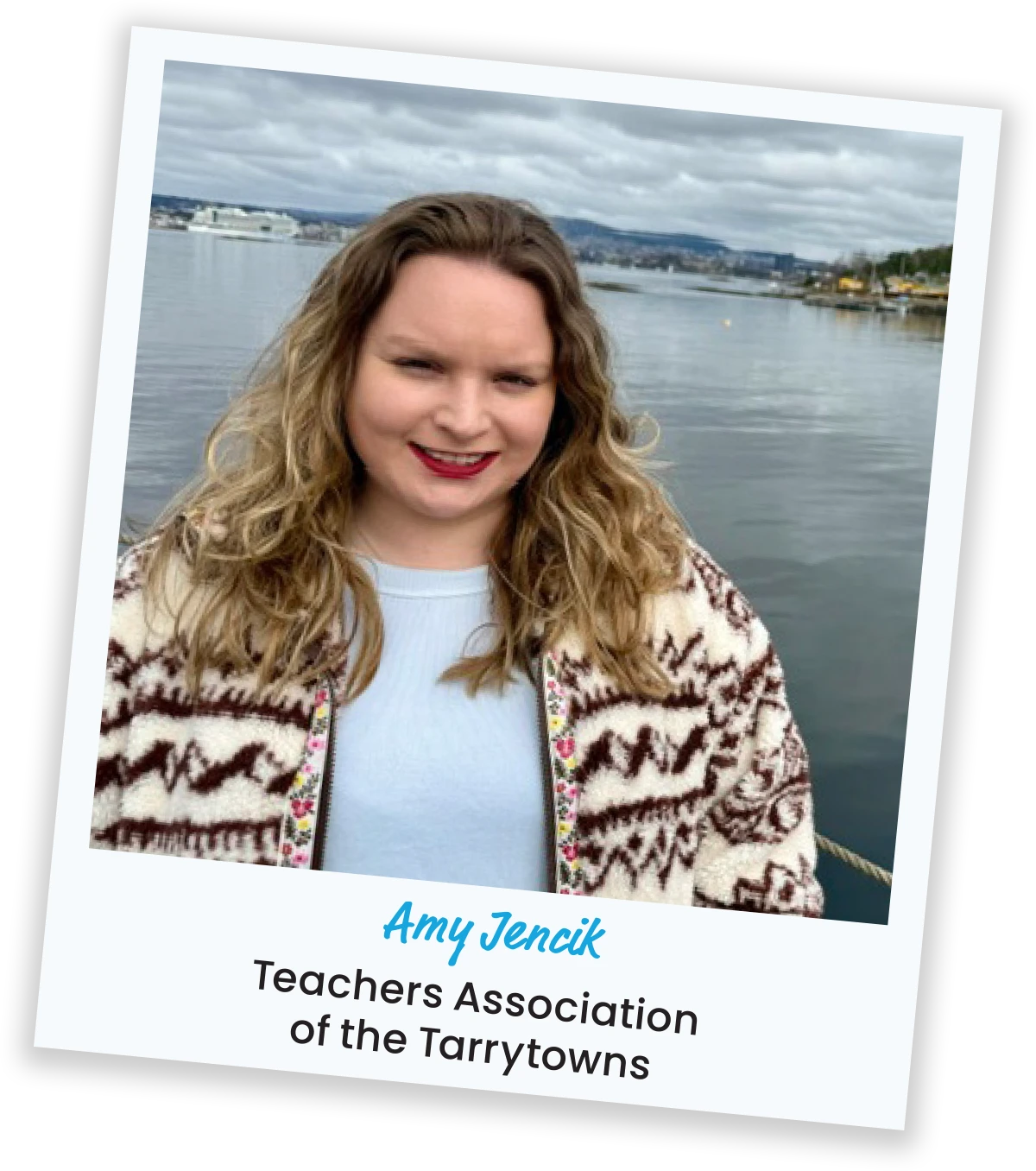
Tier 6 was a turning point that prompted Jencik to get involved in her union, the Teachers Association of the Tarrytowns. Jencik began attending union events, including the enormous statewide Fix Tier 6 rally at MVP Arena in Albany on March 8, where she stood alongside her union siblings to demand change.
Right after that, the state budget agreement included a shift in the retirement age from 63 to 58 and reduced contribution rates for many School-Related Professionals and support staff.
“It was the first time I felt like showing up matters,” recalled Jencik. “It’s important to get involved with the union, whether it be at the building level or the state level, because it is there for you.”
“When they’re negotiating new contracts, they’re asking for member representation,” she continued. “They’re sending out surveys because that contract is all for you, so I think it’s definitely important to get involved.”
Jencik is thankful for her union-negotiated contract, which protects her ability to serve her students under an increasingly heavy workload and her NYSUT-supported teacher center, where she takes classes to earn in-service credits and stay up to date on best practices. And she is especially grateful for the advocacy NYSUT has shown on pension equity and she urges fellow educators to be part of it.
“When you see positive change, it really shows you the reason we have unions and the reason we continue to fight.”
“A union is not just there when something goes wrong”
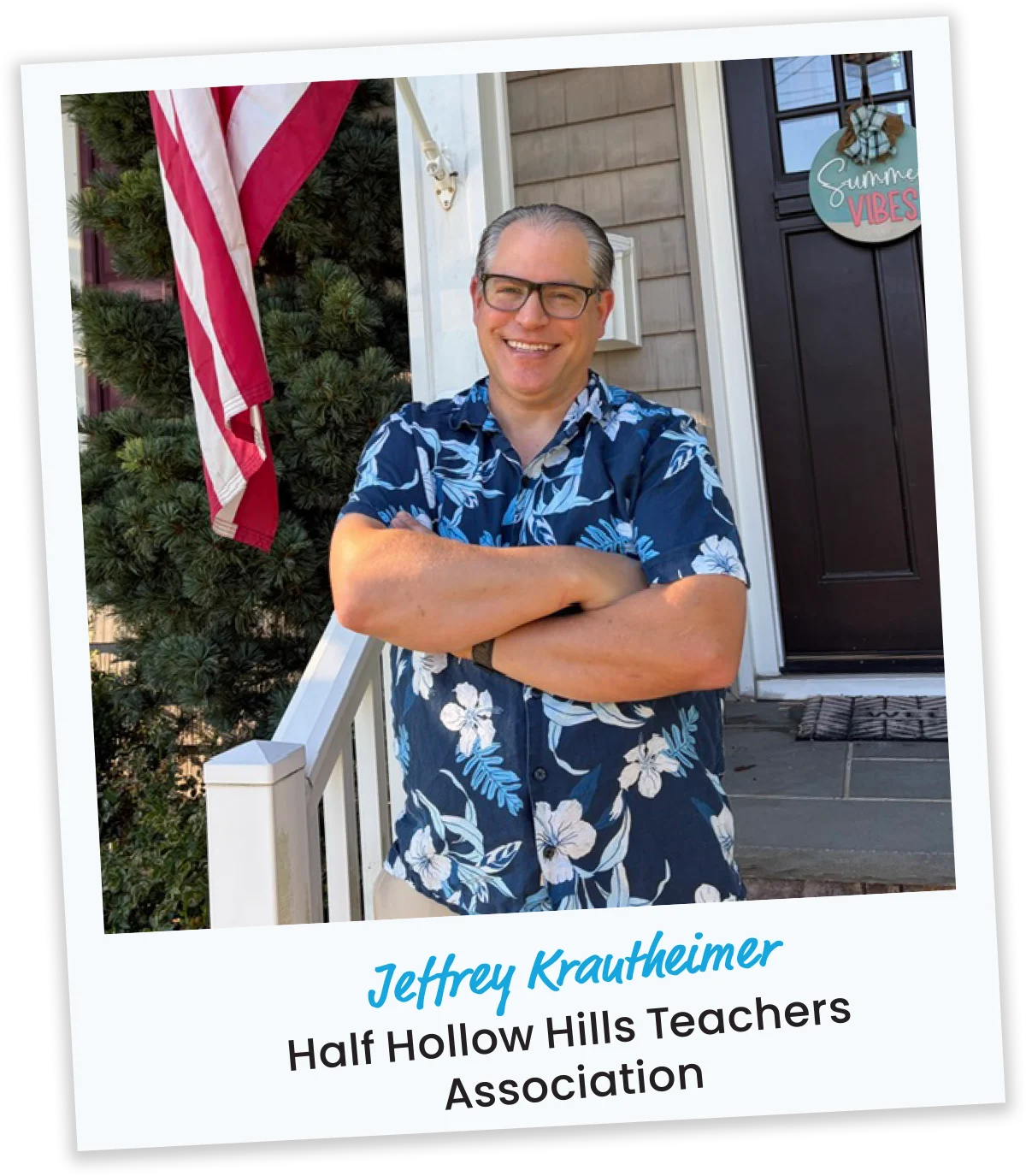
“When one teacher asks for something, they can easily be dismissed, but when you have a union representing hundreds of thousands of educators, that gives you the power to negotiate, to protect your rights and your working conditions,” said Krautheimer, who has been a member of the Half Hollow Hills Teachers Association since 2001.
“Without a union, our salary, our workload, our benefits, our leave, our teaching assignments and the rest of our working conditions would be much more dependent on management decisions rather than on collectively negotiated rules,” he said.
After unions pushed hard for changes to the Public Service Loan Forgiveness program, the Biden administration announced the much-needed overhaul in 2021, including a broad expansion of the types of payments that count toward forgiveness.
When the changes were announced, Krautheimer’s local union quickly swung into action. HHHTA president Richard Haase forged a relationship with the American Federation of Teachers and helped hundreds of HHHTA members enroll in Summer, a student debt management program offered through the union. Thanks to Haase’s hard work, HHHTA members got more than $2 million forgiven, Krautheimer said. “It was a pretty life-changing event for our members.”
Solidarity is about finding common ground and recognizing that what happens to one member ultimately affects all members. That’s why Krautheimer and other HHHTA members attended marches and rallies for Tier 6 members and turned out to picket alongside the Cold Spring Harbor TA. But solidarity makes itself felt in small moments, too.
“Solidarity is not just about a huge rally or event; sometimes it is as simple as a colleague knowing that they’re not walking into a meeting alone, and that you have their back,” Krautheimer said.
“After 25 years, I’ve come to appreciate that a union is not just there when something goes wrong; it is working every day, proactively through our contract, to protect the rights of teachers and students alike.”
“Union to me is about family and strength”
Velazquez’s upbringing in a union family — with relatives in unionized jobs in the steel industry, restaurants and other careers — shaped his pro-union perspective. As the first person in his immediate family to work in education, he was proud to join in the tradition of union membership.
“Union to me is about family and strength. In my experience, working side by side with other union members was like belonging to a family,” said Velazquez.
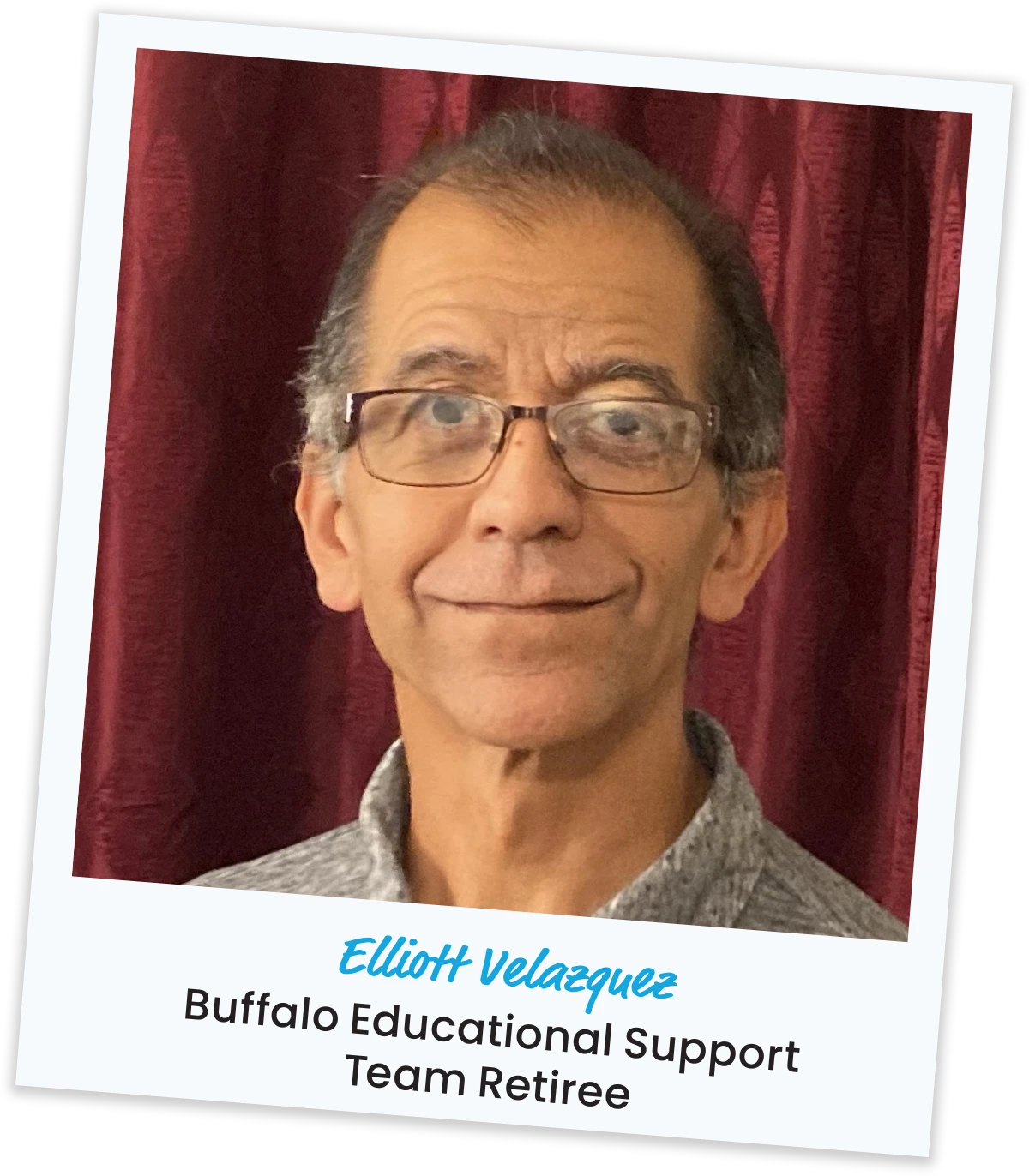
“I can attribute every step to our local, BEST, laying out the groundwork for our benefit and our growth.”
Velazquez is particularly proud of his work in union leadership, when he was elected as a building representative by his peers. He focused his efforts on orienting new employees and helping them pursue their own career aspirations. He’s proud that many former colleagues continued on the path to become licensed teachers.
“Unlike when I was hired and left to figure things out on my own, I ensured that the newly hired aides and assistants would have help,” said Velazquez. “I would mentor them, assisting them to navigate through their first couple of years.”
Velazquez continued, “I was doing more than just working in a classroom with students. By leading by example, and supporting my peers, I instilled a faith in our union for both new and veteran union members.”
As he looks back on his career, Velazquez knows that belonging to BEST was key to his success, and it gave him a clear sense of purpose. He considers what his career might have been like without a union.
“I have held jobs in many industries, from manufacturing, customer service, restaurants and even agriculture. None of them had a union. I was subjected to harsh working conditions, little to no benefits and with no job security or opportunities in moving up.”
“I am very thankful for having worked in a career that has a union,” said Velazquez.
Velazquez noted that being involved in his local union, knowing his rights as an employee and understanding his collective bargaining agreement allowed him to retire when he did.
“Although I have reached the end of my career, I can truly look back at this moment with no regrets and no reservations.”